36 guides
Build the language
Learn French
Study systems, listening, speaking, vocabulary, and the science behind durable progress.
Explore this pathLearn the language, understand the rules, prepare for the test, and make better decisions with it. Every guide is built around a concrete next step.
One learning model, one honest product review, and one grammar pattern worth mastering.
Stephen Krashen's i+1 Input Hypothesis changed how we understand language acquisition. Explore the 40+ years of research, the neuroscience, and how modern AI tutors finally implement it.
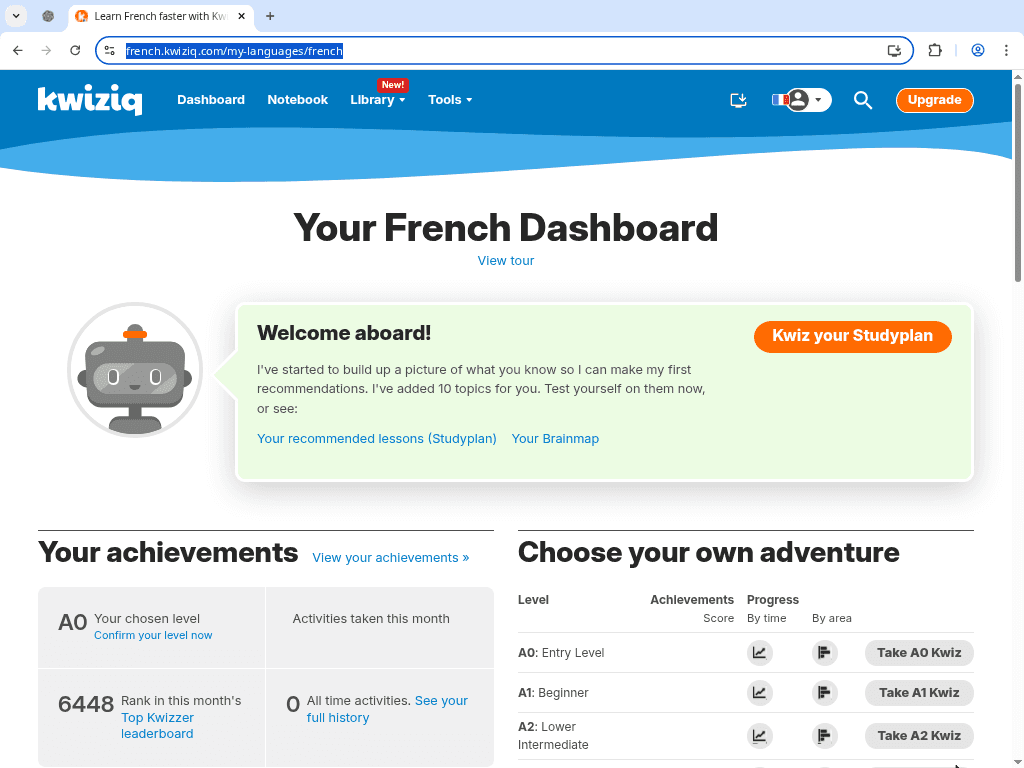
A full Kwiziq review covering pricing, the Brainmap, the web-app install flow, grammar depth, and whether InfinLume is a better fit.
A practical French subjunctive practice guide with high-frequency triggers, pattern drills, and a weekly retention routine.
Broad enough to explore. Structured enough that every click still leads somewhere useful.
Build the language
Study systems, listening, speaking, vocabulary, and the science behind durable progress.
Explore this pathMake it precise
Clear explanations and practice plans for the patterns that keep showing up.
Explore this pathUse French for a goal
TEF, TCF, NCLC, and immigration explainers grounded in current official sources.
Explore this pathChoose your tools
First-hand product checks, pricing captures, and honest workflow comparisons.
Explore this pathComparisons, grammar deep dives, immigration context, and study systems—without filler.
Learn French media vocabulary through attribution, gender and collocations, then analyse a fictional news brief with explained answers.
Use French technology words in complete actions, with Canadian terminology, a support exchange and explained retrieval practice.
Learn environmental French through gender, collocations, a neighbourhood dialogue and retrieval questions with explained answers.
A B2 to C1 French plan for mapping complex arguments, recognizing implication, adapting register and checking transfer to new sources.
An A2 to B1 French practice cycle for following clear accounts, retelling events, giving reasons and tracking evidence across skills.
A flexible A1 to A2 French plan with original appointment and message practice, a working-adult weekly template, and observable skill checks.
Describe rising, falling and stable figures in French using a fictional dataset, accurate percentage and percentage-point calculations, and explained answers.
Express full, partial and conditional agreement in French with workplace, community and friend dialogues plus explained contrast exercises.
Choose French openings, requests and closings by audience and purpose, then study three complete original messages and practical before-and-after repairs.
Avoid twelve common French-English look-alike mistakes with context, partial-overlap notes and explained corrections.
Use twelve checked French -er verb cognates in complete phrases, with prepositions and false-friend cautions.
Learn checked -eur/-or person-word pairs, varied feminine forms and important non-person senses.
Study twelve selected -aire/-ary adjective pairs, word-class traps and context-sensitive translation.
Learn selected French-English -able/-ible adjective pairs, meaning limits, agreement and usage.
Separate French -ment adverbs from nouns resembling English -ment, and avoid two common false friends.
Use paired French -isme and -iste words to distinguish ideas, people and adjectives in context.
Learn selected -eux/-ous adjective pairs with feminine forms, meaning shifts and practical exercises.
Learn twelve French -ique adjectives with English clues, agreement, alternate senses and context practice.
Use twelve selected -ité/-ity noun pairs in French sentences, with gender, sense differences and practice.
Learn twelve French-English -tion noun pairs with articles, collocations, meaning traps and explained practice.
An editorial C1-oriented selection for evidence, nuanced claims and register, with a fictional report and explained reformulation tasks.
An editorial B2-oriented selection for comparing options, evaluating evidence and qualifying a viewpoint, with an original text and explained answers.
An editorial B1-oriented vocabulary selection for recounting events, naming an obstacle, explaining a response and describing a plan.
An editorial A2-oriented French selection for services, costs, changes and clarification, taught through a fictional workshop booking.
An editorial A1-oriented French selection for introductions, locations, times and basic requests, with an original dialogue and explained answers.
Learn to distinguish opinions, proposals, consultations and decisions in French with gender, useful verb pairings and a fictional town text.
Choose an event, ask about booking and explain your reaction in French with contextual vocabulary, a fictional listing and exercises.
Compare costs, ask about conditions and describe a purchase problem in French, with gender, collocations and a fictional checkout exchange.
Learn French for stops, platforms, transfers and travel notices with original context, gender notes and explained exercises.
Understand administrative French for requests, forms and supporting documents through a careful fictional conversation and explained exercises.
Learn useful French for asking about a course, submitting work and understanding feedback, with an original dialogue and answer key.
Four original French written dialogues for housing and services, with responsive follow-ups, tu/vous consistency and explained question repairs.
Develop a French transport-policy opinion through access, fairness and street-use arguments, an original model response and explained repairs.
Build a French opinion on classroom technology using learning goals, access concerns, an original developed response and explained self-review tasks.
Develop conditional French opinions about telework with three reasoning paths, a full original written response, a counterargument and self-review exercises.
Understand provider result timing and certificate validity, Express Entry's separate age rule, the 20-day retake interval and incident appeals.
Use the official centre finder and compare dated Canadian four-component fee examples with local change and cancellation terms.
A verified guide to public TEF Canada examples, tutorials and free general French exercises, with clear limits on what each resource offers.
A one-play listening method, clearly labelled written illustrations and links to the provider's public audio examples and key.
Learn evidence selection and distractor analysis through six original TEF Canada reading teaching questions with an explained answer key.
A current, practical guide to TEF Canada reading, listening, writing and speaking format, navigation and exam-day checks.
A diagnostic, repeatable TEF Canada preparation cycle for reading, listening, speaking and writing, without a promised timeline or score.
Repair news-continuation drift, weak argument structure, ambiguous pronouns, tense choices and conditional errors with explained French examples.
Fix missed follow-ups, inconsistent register, unsupported claims and unresponsive persuasion with ten explained original exchanges.
Adaptable paragraph scaffolds for both writing sections, with complete original museum and civic-budget responses and transparent word counts.
Ten fictional news openings and ten invented newspaper opinions, with planning cues and task-specific review questions.
Practice 15 original information-call situations and 15 original persuasion conversations, with prompts for meaningful follow-ups and objections.
Use adaptable French phrases to present an offer, understand a friend's concern, answer objections and propose realistic options in TEF Canada speaking Section B.
Choose relevant TEF Canada information questions from four everyday scenarios, then practise answer-based follow-ups and repair exercises with explanations.
Plan and write the TEF Canada opinion task with three developed reasons, a meaningful qualification and an original 297-word response to a fictional newspaper claim.
Learn the TEF Canada Section A news-continuation task with an original fictional prompt, a complete 128-word continuation and explained revision exercises.
Understand the TEF Canada persuasion task through a complete original friend-to-friend dialogue, specific objections, credible replies and explained exercises.
Learn the TEF Canada information-seeking call with a complete original conversation about a weekly produce basket, answer-driven questions and explained practice.
See where Québec accepts TEFAQ and TEF Canada, where IRCC accepts only TEF Canada for Express Entry, and how citizenship proof follows separate rules.
Compare official TCF module choices, Québec PSTQ acceptance and federal Express Entry evidence, with booking scenarios and validity distinctions.
See Québec's current PSTQ oral and written French levels by stream and FEER, the accompanying-spouse rule, accepted documents and invitation caveats.
Find the official CLIC and Québec French-course starting points, with status, location, 2026 service time limits and financial-aid caveats explained.
Identify who needs citizenship language proof, the French tests, education and course records IRCC accepts, and how the citizenship knowledge test differs.
A practical guide to CEFR, Canada's NCLC and Québec's French scale, showing how to choose the right official test and government correspondence table.
Separate the NCLC 7 French-category rule from NCLC 9 CRS language and skill-transferability planning, with an uneven-profile example.
Compare the actual NCLC 5 French rules for FCIP, Canadian Experience Class, skilled trades and second-language evidence, with a four-skill decision example.
A Kelowna FCIP guide to SDÉCB's recruitment route, 2026 priority occupations, zero displayed job offers, designated employers and French proof.
Understand St-Pierre-Jolys FCIP employers, CDEM's recommendation steps and why conflicting official occupation lists need direct confirmation.
A local guide to Superior East's FCIP towns, priority occupations, employer list, job-search contact rules and employer-led recommendation process.
A Timmins-region FCIP guide to the 2026 priority list, RCIP/FCIP employer PDF, local candidate pool and employer-submitted recommendation windows.
How to navigate Greater Sudbury's FCIP occupation and employer sections, candidate checklist, current intake windows and first-in local recommendation process.
A local guide to Acadian Peninsula FCIP priorities, the official French employer list, how to find a real opening, and the community recommendation process.
A practical final-week and exam-day checklist that separates FEI rules from centre-specific logistics and optional preparation for TCF Canada candidates.
A functional French phrase guide for TCF Canada speaking practice, with original examples for information questions, clarification, self-repair, opinion, nuance and interaction.
Diagnose eight TCF Canada speaking-practice problems with original French before-and-after examples, explanations, rewrites and a transferable self-check.
Practise all three TCF Canada writing tasks with 30 original prompts: ten messages, ten experience-based texts and ten comparisons with two invented source documents each.
Spot task-fulfilment, register, agreement, tense, negation and clarity problems in short original French snippets, with explanations and an editing exercise.
Learn the verified Task 1 format, study an original fictional interview with responsive follow-ups, and practise rewriting answers that miss the question.
Learn the verified Task 2 format, then study an original everyday role card and written dialogue with answer-based follow-ups, question fixes, and exercises.
Practise all three TCF Canada speaking task purposes with 60 original French prompts across ten everyday themes, plus practical ways to use and review them.
Practise TCF Canada writing Task 1 with two original, fully counted French messages, one to a friend and one to a coordinator, plus register and editing guidance.
Learn to turn an experience into a purposeful TCF Canada writing Task 2 article or letter with two original, complete French models and explained edits.
Learn French housing words through useful phrases, a written rental-viewing dialogue, common confusions, and exercises with explained answers.
Build French work vocabulary for job and workplace conversations with useful combinations, a written dialogue, common confusions, and practice answers.
Understand the verified 4-minute-30-second speaking task, study an original untimed French answer, and practise arguments, follow-ups, and self-review.
Practise the two-document TCF Canada writing Task 3 with original opposing texts, a complete counted French response, and clear comparison-versus-opinion notes.
Build clearer French arguments with cause, result, contrast and concession connectors, natural examples, common fixes and explained rewrites.
Learn practical French for appointments and everyday symptoms, with gender and usage notes, an original dialogue, and explained exercises.
Learn who may apply for the optional two-year FCIP employer-specific work permit, what the employer and candidate submit, and how it differs from Francophone Mobility.
Find the official FCIP designated-employer page for every participating community, plus the checks to make before treating a designation as an eligible job opportunity.

A careful comparison of Krashen’s Input Hypothesis and Swain’s Output Hypothesis, the evidence limits, and a practical French input-output learning loop.
A source-checked guide to the four mandatory TCF Canada sections, their exact timings, task types, progressive difficulty, and practical preparation priorities.
Use comprehensible input in French with an evidence-aware i+1 workflow for choosing material, checking understanding, learning from context, and progressing.
Learn when TCF Canada results are sent, when the two-year validity period starts, how IRCC applies expiry rules, and when FEI permits another sitting.
Find an approved TCF Canada centre, verify its sessions, compare complete candidate fees, and ask the right questions before paying or travelling.
Build useful TCF Canada vocabulary by communicative function across 12 broad themes, with an original printable study sheet and a review method.
A practical free TCF Canada study plan using official samples, authentic French input, a fixed practice bank, timed work, and error review.
Prepare for TCF Canada reading with a 60-minute pacing plan, evidence-first answer method, error taxonomy, and four-week NCLC 7 routine.
Prepare for TCF Canada listening with one-play drills, a four-anchor memory method, distractor review, and a four-week NCLC 7 routine.
Run a strict 95-minute TCF Canada reading-and-listening simulation with 78 questions, honest conditions, diagnostic scoring, and targeted review.
Learn what official TCF Canada samples exist, why real-past-paper claims need caution, how to assess practice PDFs, and where to practise safely.
Understand the additional CRS points for strong French, how English results change the 25- or 50-point outcome, and why these points do not guarantee an invitation.
A plain-language guide to the French-language proficiency category in Express Entry, including NCLC 7, CRS ranking, invitations, and the difference between eligibility and selection.
A practical guide to the Francophone Mobility work permit, including French ability, location, job-offer rules, the employer portal, LMIA exemption C16, and decision limits.
A step-by-step guide to the Francophone Community Immigration Pilot, including participating communities, designated employers, job offers, language, experience, education, funds, and recommendations.
Use the current IRCC TCF Canada to NCLC score chart with exact ability order, component boundaries, worked examples, and no averaging.
Use the current IRCC TEF Canada to NCLC score chart with the exact ability order, score-column warning, boundaries, and worked examples.
Understand why NCLC 7 is checked separately in speaking, listening, reading, and writing, with original diagnostics and worked examples.
Compare TEF Canada and TCF Canada using official test formats, timings, task counts, score systems, and a neutral decision aid.
Use this practical French error log template to capture recurring mistakes, build contrast examples, schedule retrieval, and prove when an error is actually improving.
Train one-play French listening with a progressive protocol for prediction, structure, detail, inference, recovery, and accurate self-review.
Practice French speaking alone with a repeatable recording loop, six fluency drills, a self-review rubric, and a focused seven-day routine.
A realistic 12-week French plan for B1 learners who want to build stronger B2-level listening, speaking, reading, and writing without fluency shortcuts.
French points have not been removed from CEC or Express Entry as of April 10, 2026, but IRCC is openly considering changes. Here is what is real, what is rumor, and what could hit CRS scores hardest.
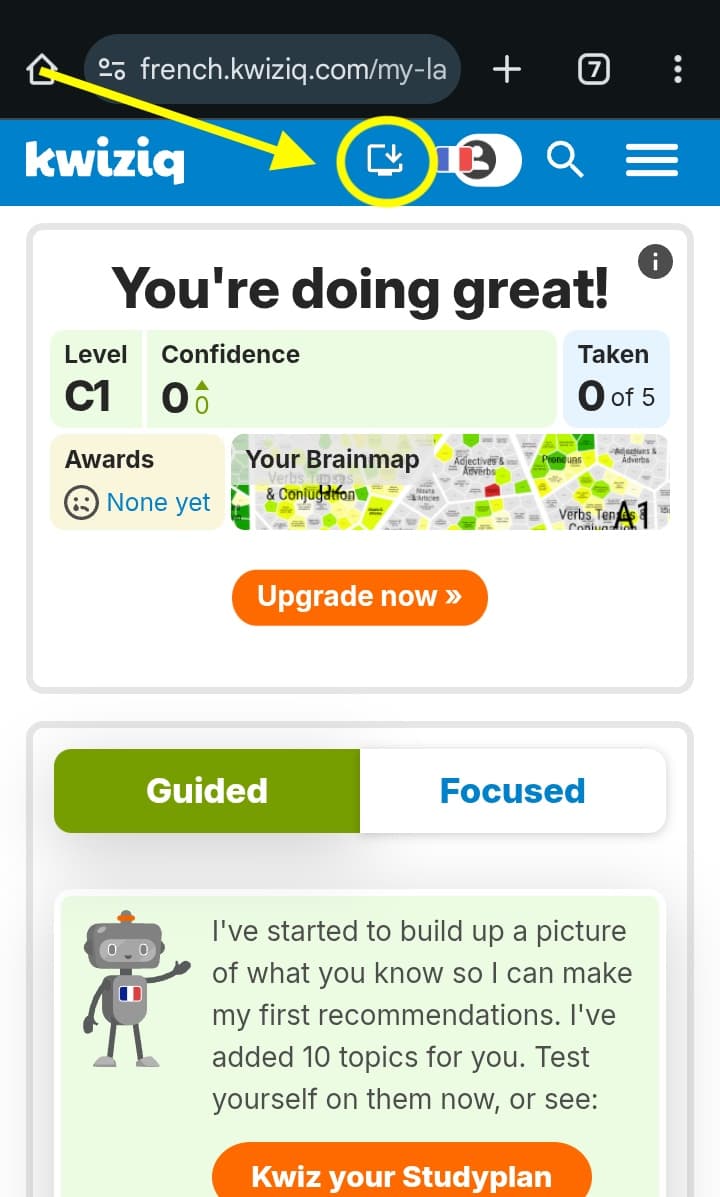
A specific answer to the Kwiziq app question, based on the official install FAQ, the July 16, 2025 mobile-app announcement, and public install screenshots.
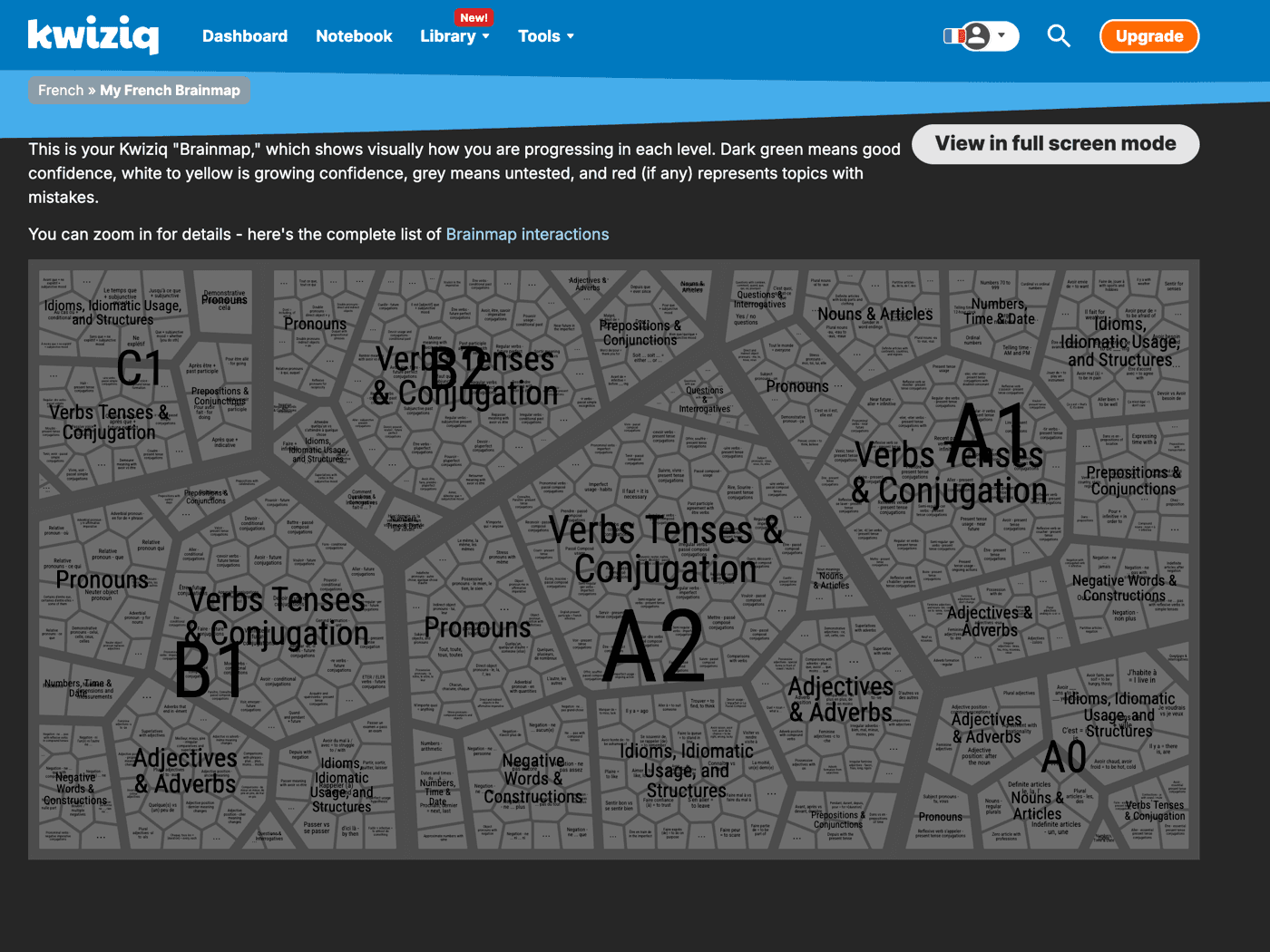
A specific, screenshot-backed answer to whether Kwiziq is worth paying for in 2026 and when InfinLume is the better choice.
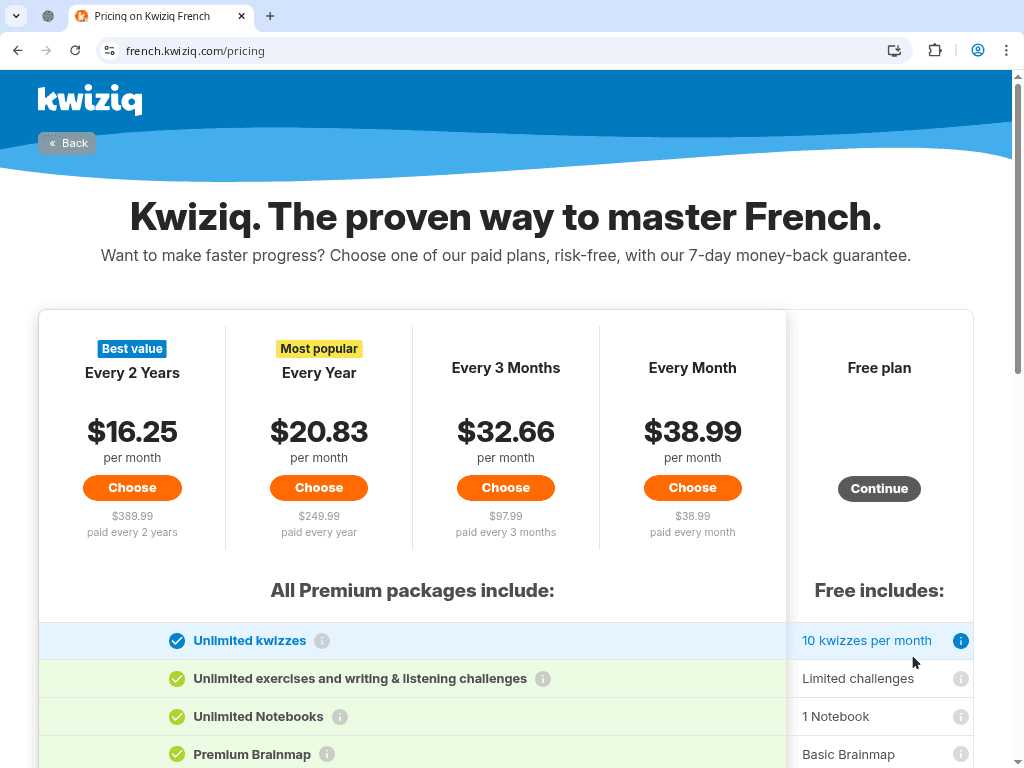
A specific Kwiziq pricing guide covering the March 13, 2026 USD capture, free-plan limits, and where the cost starts to feel hard to justify.
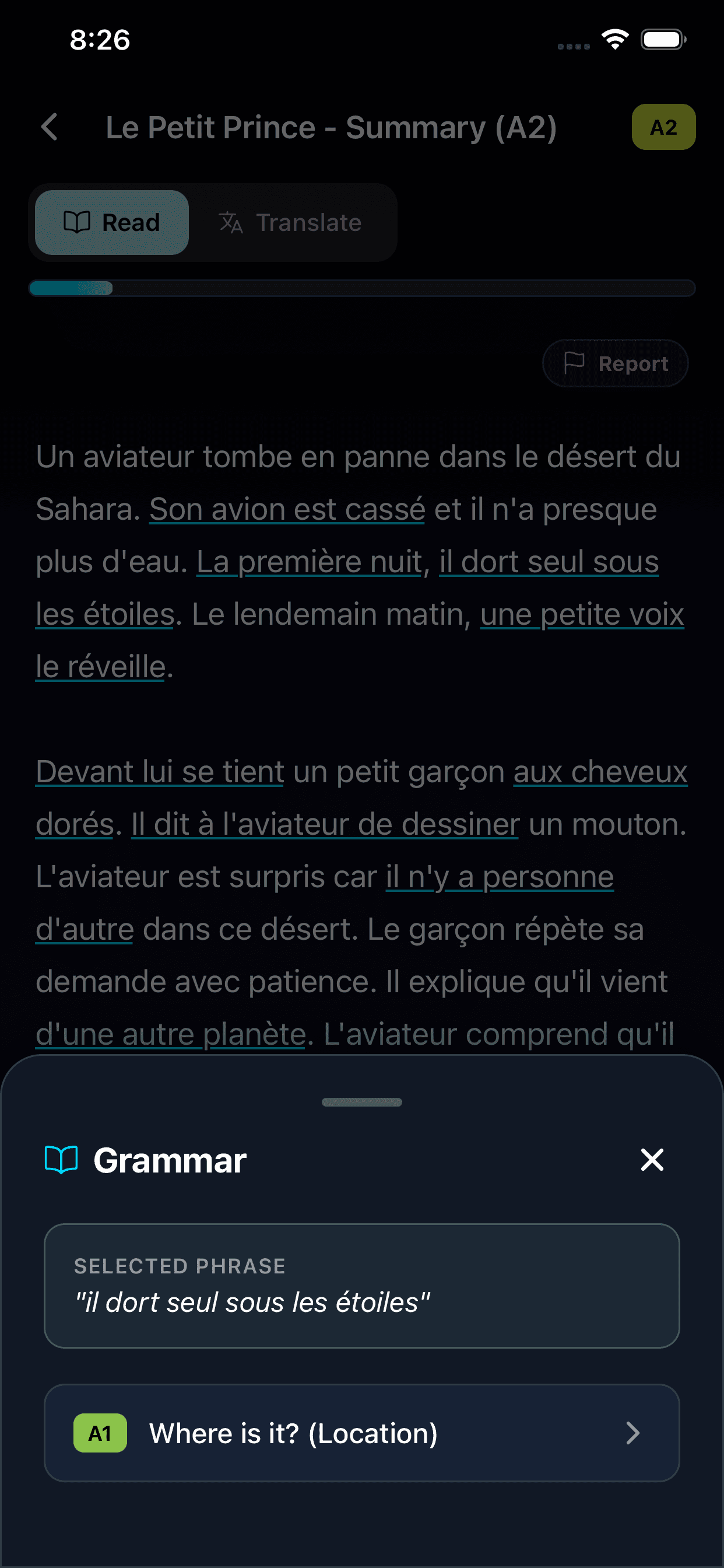
A current shortlist of apps like Kwiziq, ranked by study style, grammar depth, mobile experience, and how much planning the learner still has to do.
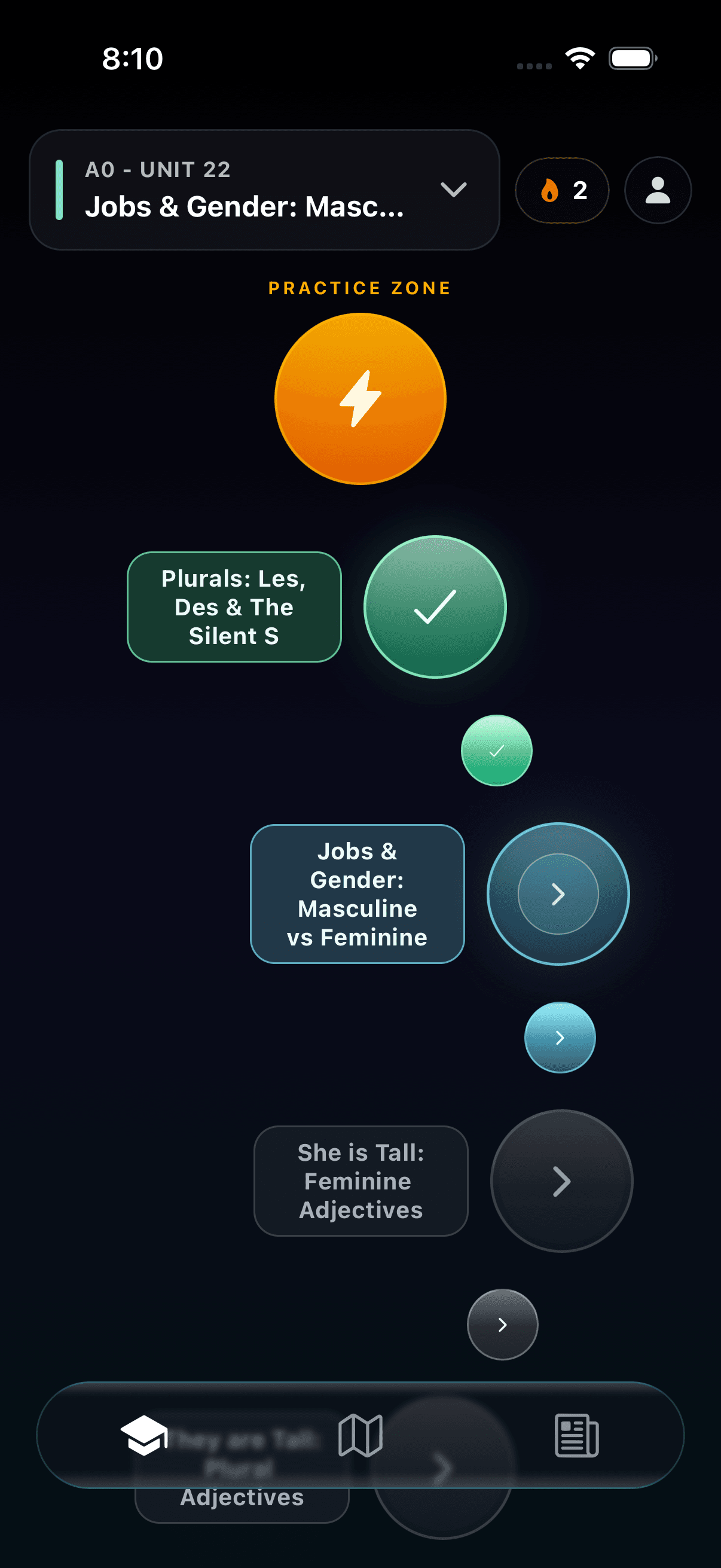
A screenshot-backed Kwiziq vs InfinLume comparison covering grammar depth, workflow, mobile experience, and who each product fits best.
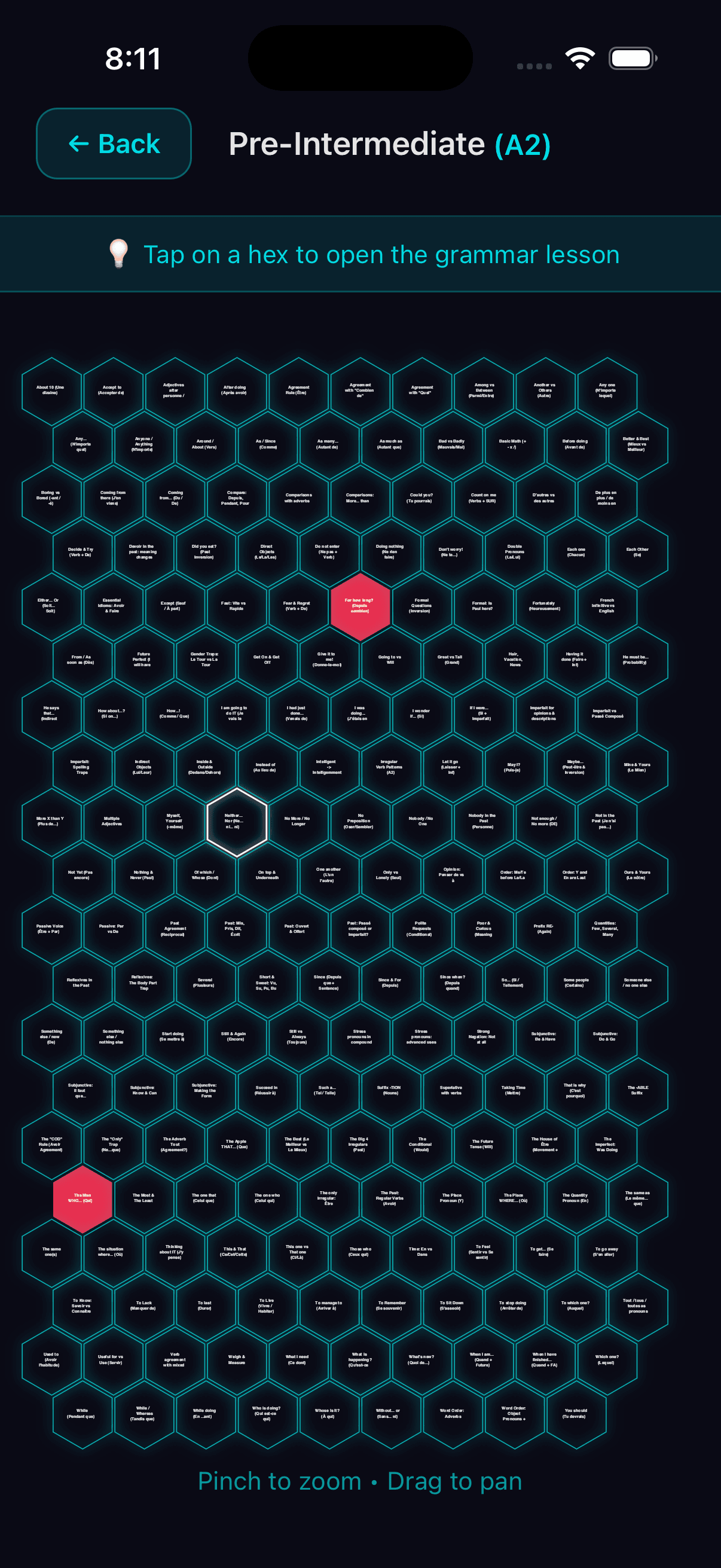
A specific answer to the Kwiziq alternative search: what people are trying to replace, and why InfinLume is the better fit for many mobile-first learners.
A screenshot-backed Kwiziq French review covering the dashboard, lesson quality, quiz flow, Brainmap, and where the French course still feels limited.
Immigration guidance changes. Product pricing changes. Research gets simplified beyond recognition. We show dates, distinguish rules from proposals, and link to the evidence used.